A quick way to quell overwhelm.
There are two foremost vital components to releasing your stress and feelings of overwhelm: organization and compartmentalization. There are situations in life we may not be able to change, but we can certainly change and improve the way we deal with them. Organizing our professional, personal, and familial lives, as well as our self-care time, is crucial to our success. This may seem near impossible with all you have going on, but the answer is actually quite simple.
Scheduling
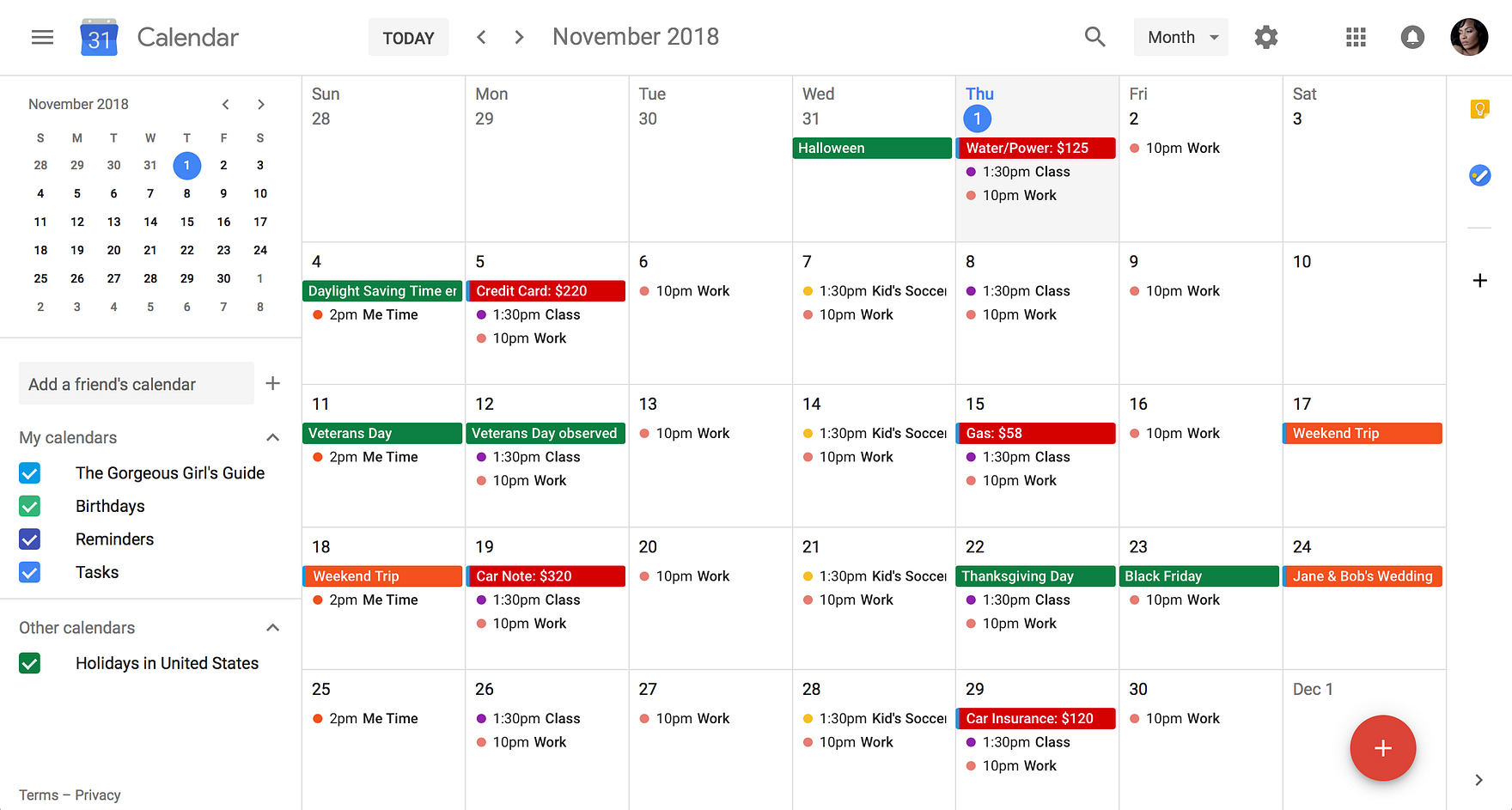
The single most important tool you need to organize and compartmentalize is probably already in your hand — it’s your smartphone, or more specifically, the calendar app on your phone. Using that calendar, you can easily begin to put your larger tasks and responsibilities into perspective. This allows you to block off chunks of time and shows you where you have room for smaller tasks. It may seem silly to schedule the mundane things you do every day, but trust me, it’s a big help. You’re not scheduling these tasks so that you can remember them. You’re scheduling them so that you can begin visualizing your time, which will help you not to overschedule and overwhelm yourself.
Here are a few large blocks of time you can schedule right now:
Sleep (nightly)
Workout (daily)
Business hours (daily)
Dinner (nightly)
Homework (as needed)
Errands (as needed)
Personal downtime (nightly, weekly)
Proportion and Practice
Scheduling your days will allow you to better visualize all you need to do within each twenty-four-hour period. Naturally, by doing so, you are automatically compartmentalizing your day into meaningful chunks of time. This will help you to devote an allotted amount of time to each task and not to overlap or forget tasks, which tends to create overwhelm. Make a habit of scheduling all work and home activities, and don’t forget to schedule a time for yourself. This is the most important block of time.
Other useful scheduling tips:
Give each category a color code. This will help you visualize when you’re doing too much of one thing and not enough of another.
Schedule when your bills are due, and set audio/visual reminders. This will help you stay on top of your finances, see when bills are due, and when you have way too many bills and may need to consolidate.
Schedule two hours of self-care time before bed each weeknight, and a four-hour block during the weekend. This will help you repair and prepare for your next scheduled events and the tasks on your to-do list.
With the larger chunks of time accounted for, now you can fill in the smaller tasks, like doctor appointments and dates. When it comes to these one-off appointments, as well as errands, try not to schedule more than three in one day. In fact, if you get just one small personal task completed on any given day, celebrate the win! Any accomplishment is worth feeling good about. Remember, there is never enough time to do everything in one day, but there is always enough time to do a little bit each day.